Dry construction is no longer simply an alternative building method. For a growing number of architects, designers and developers, it has become an integral part of the design process rather than a decision made during construction.
As the demands of modern buildings continue to evolve, professionals are looking for solutions that combine aesthetics, functionality, flexibility and high performance. In this context, dry construction systems are playing an increasingly important role in shaping the buildings of today and tomorrow.

Greater Freedom in Design
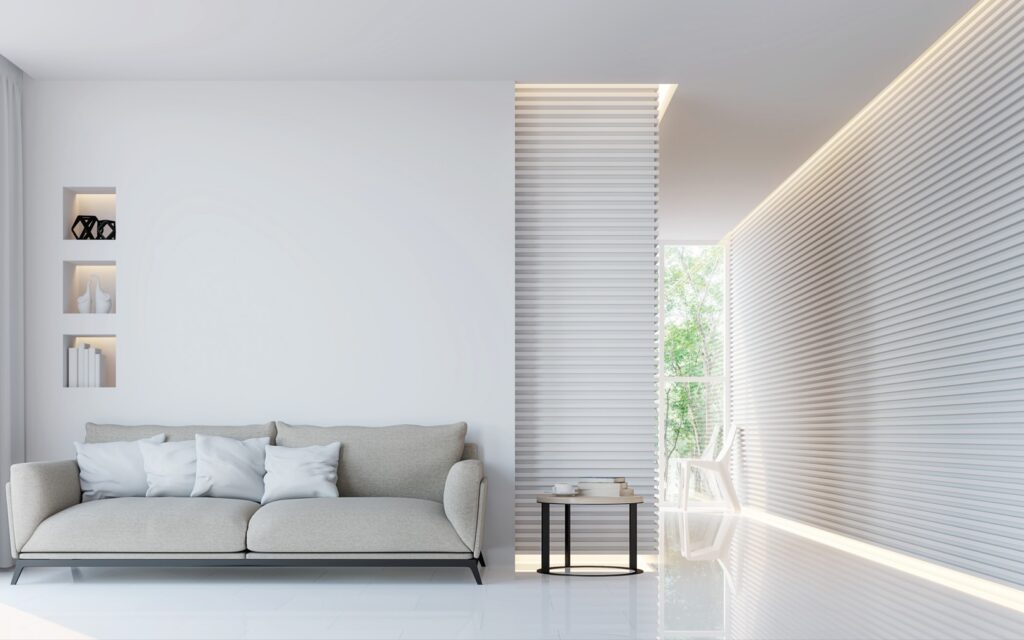
One of the greatest advantages of dry construction is the freedom it gives architects to realise their design vision with greater flexibility. Curved surfaces, complex geometries, clean lines and integrated lighting features can be achieved more efficiently, while the seamless integration of mechanical and electrical services helps preserve both the aesthetics and functionality of a space.
Designing Buildings That Retain Their Value
Offices, hotels, residential developments and mixed-use projects are increasingly expected to adapt to changing user needs. Dry construction makes future modifications easier and less disruptive, enabling developers to create buildings that maintain both their functional and commercial value over time.
As adaptability becomes a defining characteristic of modern architecture, designing buildings that can evolve throughout their lifecycle is no longer an advantage—it is becoming an expectation.
Comfort That Adds Real Value
A successful building is defined not only by its appearance but also by the quality of experience it offers. Combined with high-performance insulation systems, dry construction improves thermal and acoustic comfort, creating healthier, more energy-efficient and enjoyable environments for living and working.
Sustainability as a Design Principle
Sustainability has become a fundamental consideration in every new project. Faster installation, reduced construction waste and the ability to modify spaces without extensive demolition contribute to a more efficient use of resources throughout a building’s lifecycle.
When combined with advanced insulation solutions, dry construction systems also support better energy performance and help create buildings designed for long-term durability and efficiency.
A New Perspective on Architectural Design
Within this evolving landscape, integrated dry construction systems such as FIBRAN’s solutions enable professionals to combine design flexibility, reliability and high performance throughout every stage of a project.
The real value of dry construction goes far beyond faster installation. It lies in its ability to support better architecture. As buildings become more complex and expectations continue to rise, dry construction will play an increasingly important role in shaping the spaces of the future.
Epiphaniou’s Perspective
At Epiphaniou, we believe that building materials are much more than construction components—they are design tools that influence how buildings are conceived, experienced and evolve over time. That is why we partner with manufacturers such as FIBRAN, offering solutions that combine innovation, performance and long-term value, helping construction professionals deliver projects that meet today’s expectations while anticipating tomorrow’s challenges.